Self-Discipline & Wing Chun

Self-discipline has become invaluable in today’s frenzied and sometimes disordered world for personal growth and success. From achieving martial arts proficiency to every aspect of life, it’s critical to stay focused, steadfast, and resilient. Wing Chun, the highly effective and efficient Chinese martial art, offers a distinct pathway to cultivating self-discipline, which aids in overcoming obstacles, accomplishing goals, and realizing one’s full potential. In this blog, we’ll delve into how Wing Chun training can help master self-discipline in everyday life and how to achieve it.
The Significance of Self-Defense Training

This article delves into the significance of self-defense training, specifically focusing on Wing Chun, in ensuring personal safety and protecting loved ones. It explores the empowering effects of self-defense training, the importance of safeguarding oneself and others, and highlights the advantages of Wing Chun as an effective self-defense system.
The Positive Effects of Martial Arts on Scholastic Achievement
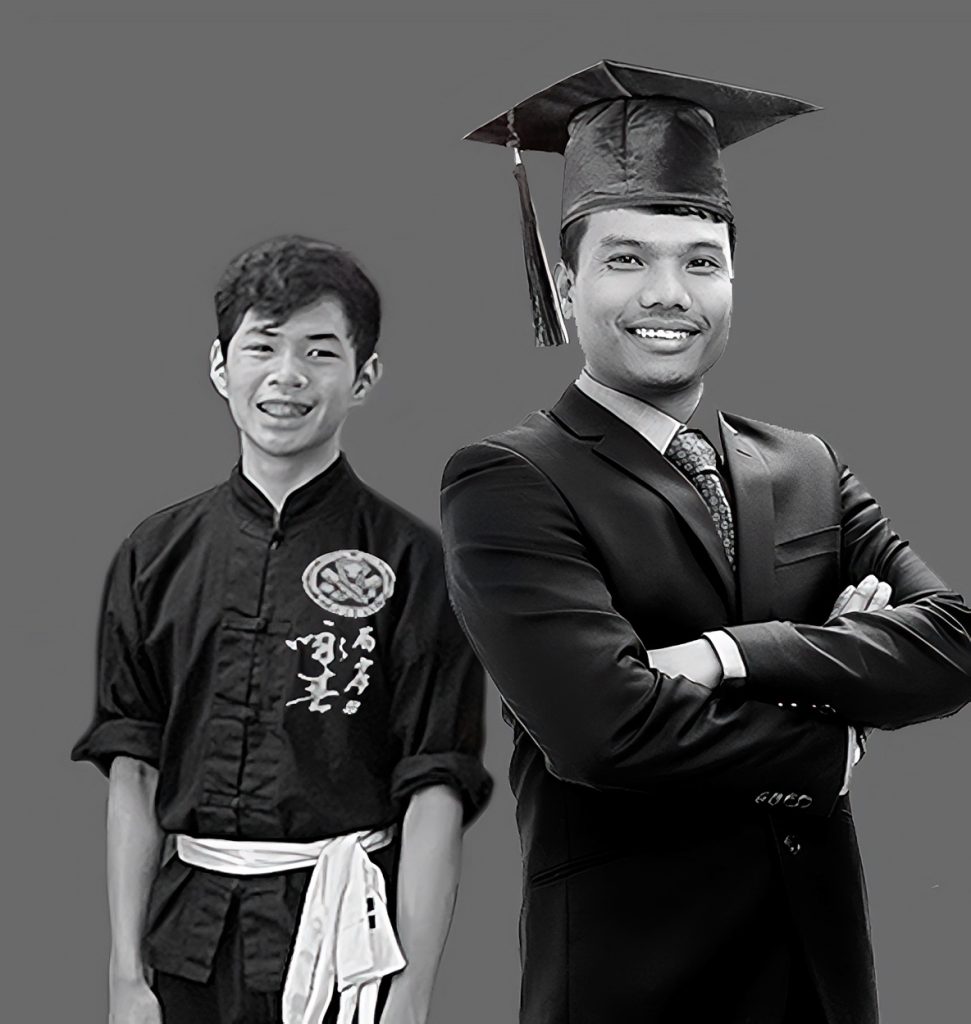
Martial arts training can have a profound impact on academic achievement. From improved focus and concentration to discipline and time management, martial arts cultivates valuable skills that can benefit students in the classroom. Additionally, the stress-reducing and confidence-building aspects of martial arts contribute to positive mental well-being, while physical fitness promotes better cognitive function. By integrating martial arts into a student’s routine, they can enhance their academic abilities and give their educational journey an extra edge.
Martial Arts: System vs. Style
In martial arts, it is important to differentiate between a system, which is a structured framework based on concepts, and a style, which emphasizes techniques within the system. This understanding allows practitioners to develop their unique expression while remaining true to the core principles of the system and contributing to its evolution.
How to Support Your Child’s Martial Art’s Journey
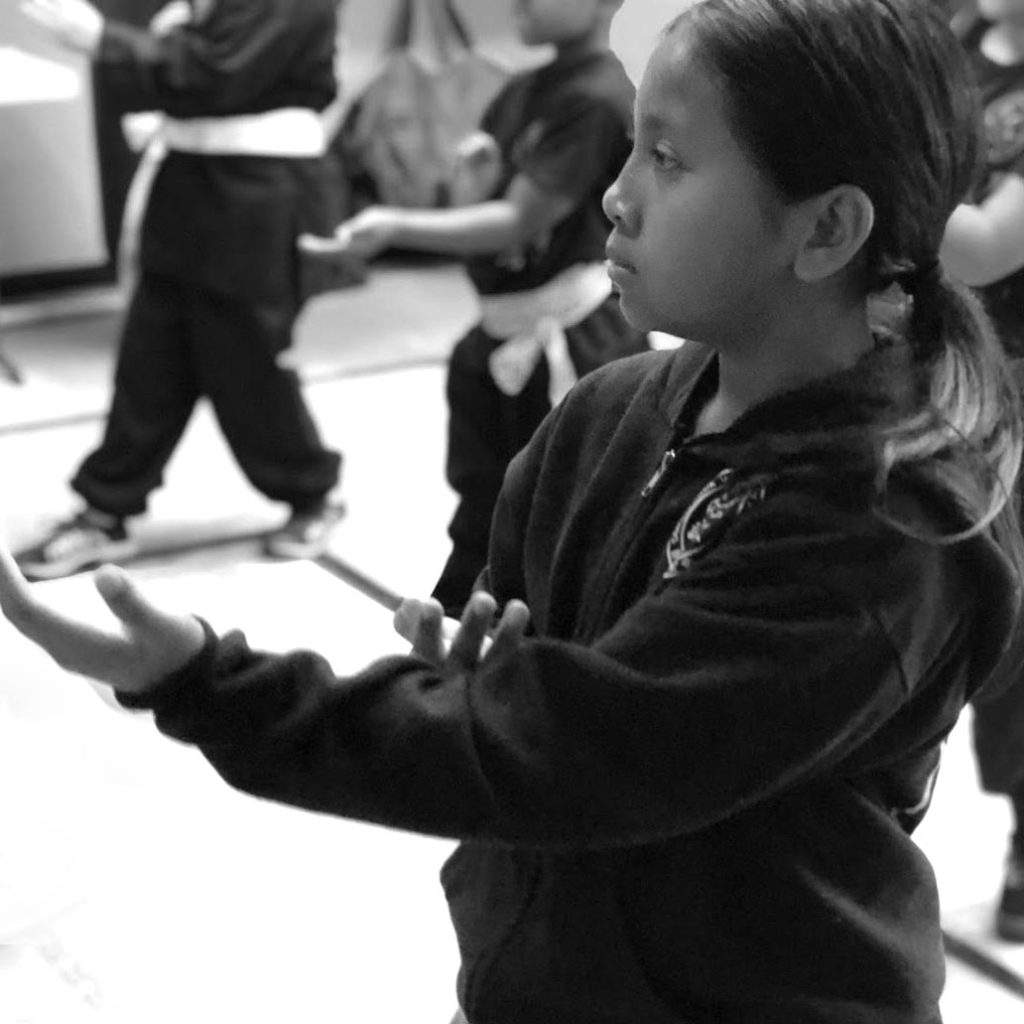
Supporting your child in their martial arts journey can be an incredibly rewarding experience for both parent and child. Martial arts not only teach self-defense but also foster personal growth, discipline, and confidence. By understanding the benefits of martial arts and adopting a positive mindset, parents can create a supportive environment for their child’s practice. Key suggestions include being present at classes and events, establishing a consistent routine, providing necessary resources, and fostering open communication. By embracing these principles, parents can help their child develop valuable life skills and a lifelong passion for martial arts.
Martial Arts and Discipline

Discover the transformative power of discipline in martial arts with our latest article, “Developing Discipline Through Martial Arts: A Confucian Approach.” Learn how embracing Confucius’s wisdom can help you set clear goals, maintain a consistent training schedule, overcome challenges, and conquer the fear of failure. Plus, find out how to apply martial arts discipline to daily life through routines, setting boundaries, and practicing mindfulness. Begin your journey towards self-improvement and unlock your full potential with our insightful guide.
Martial Arts and Fitness
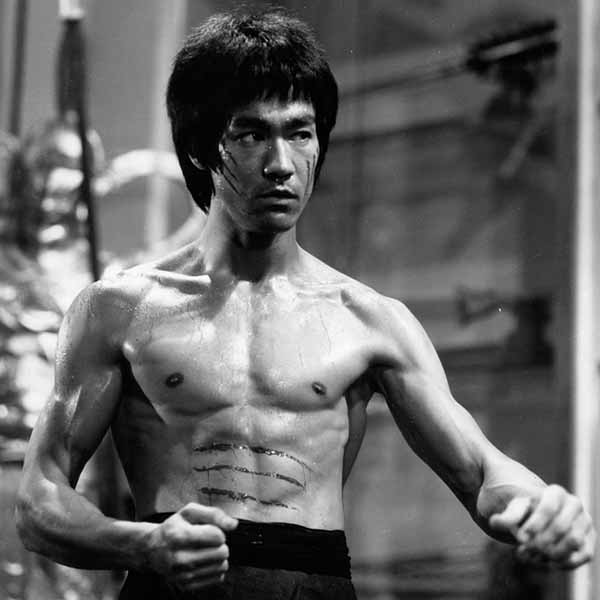
Embark on a rewarding journey towards better health and personal growth by embracing martial arts as a means to improve your fitness. This article dispels the common misconception that one must be fit before starting martial arts and highlights the importance of fitness in martial arts practice. Discover how Wing Chun, a popular martial art, can be an accessible and effective solution for individuals of all fitness levels looking to enhance their physical and mental well-being.
Why Starting with Correct Wing Chun Techniques is Essential
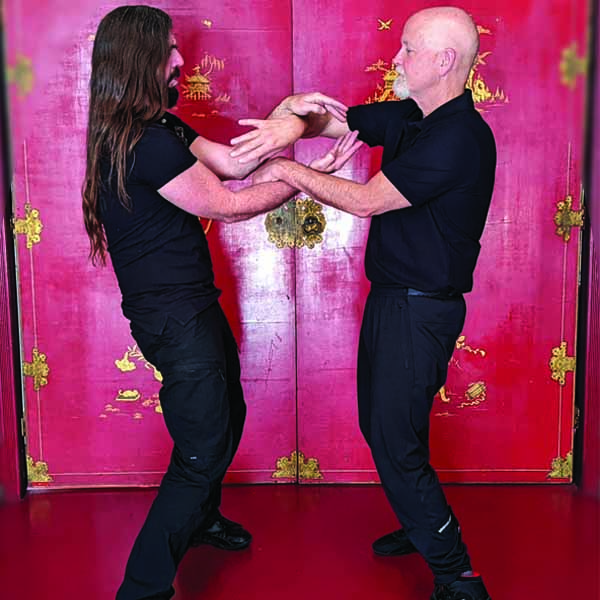
Motor programming plays a significant role in learning Wing Chun and is essential for mastering the techniques. Motor programming refers to the process of creating neural pathways in the brain that allow for the execution of movements with precision and efficiency. In Wing Chun, developing proper motor programming is crucial for executing techniques with speed and power, as well as for adapting to different situations. Without proper motor programming, Wing Chun practitioners may struggle to execute techniques effectively, and their movements may lack the necessary power and precision. Therefore, developing proper motor programming and correct Wing Chun technique is essential for improving effectiveness in self-defense situations.
Do Martial Arts Help with Bullying?

Martial arts training can be a powerful tool for children and adults who are dealing with bullying. By developing self-confidence, assertiveness, and a range of physical and mental skills, martial arts can help individuals stand up for themselves and others in a safe and effective manner. Whether it’s through learning self-defense techniques, developing a strong sense of self-awareness, or cultivating a mindset of respect and peace, martial arts can equip students with the tools they need to deal with bullying in a way that promotes safety, well-being, and confidence.
Do Martial Arts Encourage Violence?

Martial arts do not promote violence. While some may view martial arts as a form of aggression, the opposite is actually true. The discipline, respect, and self-control that are integral to martial arts training emphasize the importance of avoiding conflict whenever possible and using physical techniques only as a last resort. The goal of martial arts is not to harm others, but to develop oneself physically, mentally, and spiritually. Through rigorous training and practice, martial artists learn to control their emotions and reactions in high-pressure situations, which can help them become more peaceful and compassionate members of society.