Devastating Wing Chun Techniques
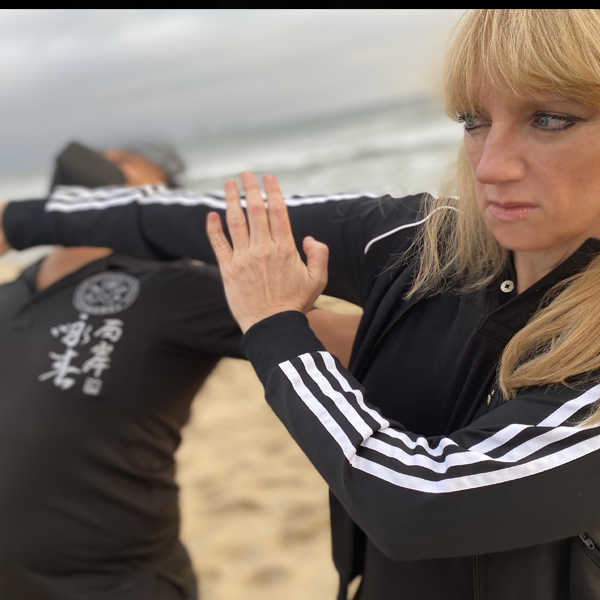
Wing Chun is a martial art that is known for its devastating techniques, which can be used to quickly and efficiently neutralize an opponent. The art is based on the principles of efficiency, structure, power, and speed, and its techniques are designed to work in close quarters, where other martial arts may be less effective.
Real Fight, Combat Sports, Self-Defense, Practical Fighting, Martial Arts Application, Street Self-Defense
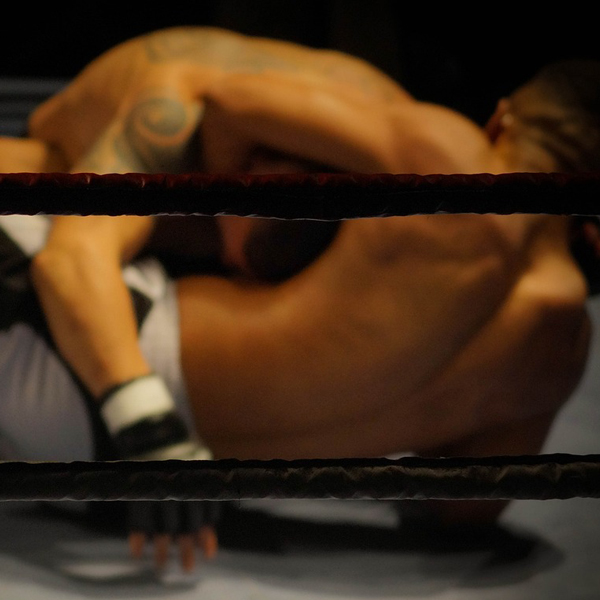
Sports fights, such as boxing or MMA, are regulated events with rules and a structured environment, while real fights lack rules and can involve multiple attackers, weapons, and unpredictable environments. Practitioners should not rely solely on sports fights for self-defense training, but also train for real-world scenarios with situational awareness, de-escalation tactics, and self-defense techniques that are not restricted by rules or regulations. Developing a range of skills and mindset that can be applied in any situation is crucial for effective self-defense training.
Does Wing Chun Work in a Real Fight?
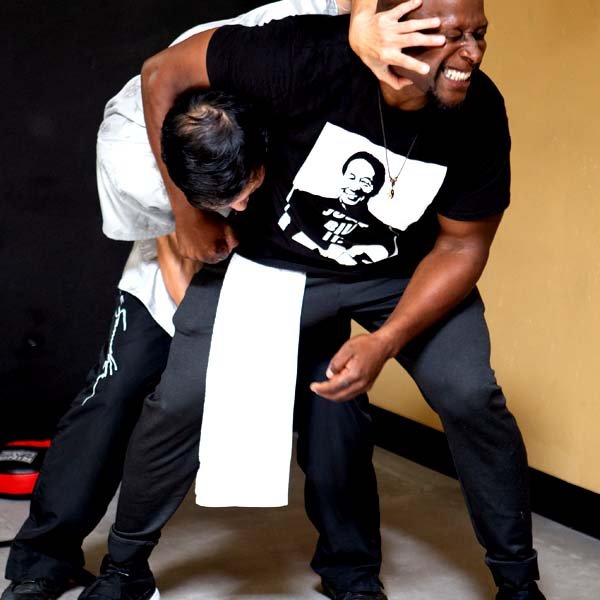
Wing Chun is a practical martial art that can be used effectively in real fights. Its emphasis on efficiency, simplicity, and directness makes it a valuable tool for self-defense situations. By mastering advanced techniques such as Biu Jee, the practitioner can become even more effective in real-world situations. However, it is important to remember that Wing Chun is not a magic solution to all self-defense situations. It requires training, practice, and a deep understanding of its principles and techniques. With dedication and commitment, Wing Chun can provide practitioners with the skills and confidence they need to defend themselves in a real fight.
Boot Camp Study Guide

Whether you’re a student of West Coast Wing Chun or not, you will find our Wing Chun Study Guide useful for your training. It’s easy to learn Wing Chun Vocabulary with the right tools. We offer flashcards, matching games, and practice tests to help you learn.
Siu Lim Tao
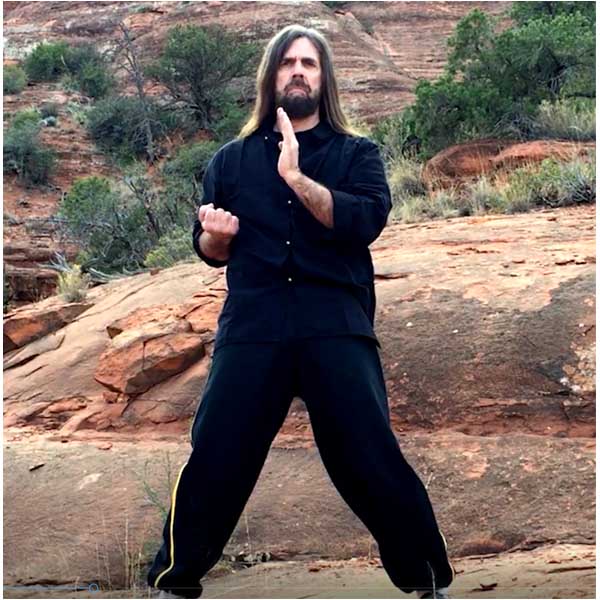
Siu Lim Tao is the primary open hand form of Ip Man Wing Chun Kung Fu. Why was it named “little idea”? Ip Man alludes to the necessity of the concentration of practice in the form, as well as the disconnection of thought. In this case, the definition of 小 may mean “few” or few thoughts.
How to Find the Best Wing Chun Lineage
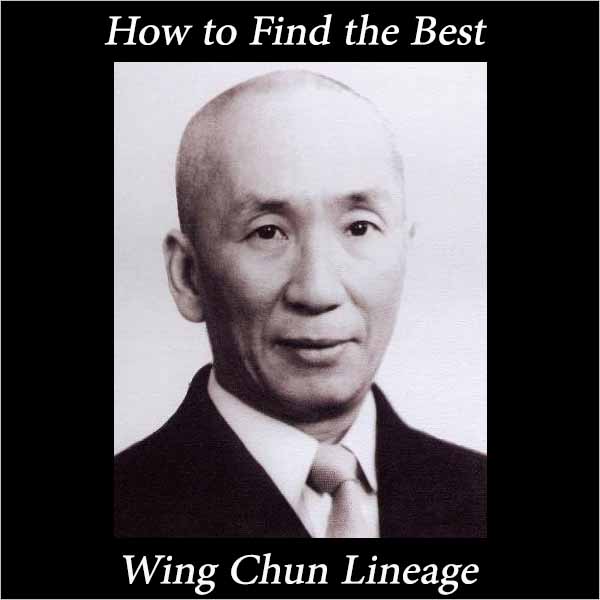
Finding a great Wing Chun lineage to train with is paramount to your success on your Wing Chun path. We’ve put together a guide to help you determine which lineage is the best match for you.
Can you learn Wing Chun Online?

The question, “Can you learn Wing Chun online?” comes up a lot in social media threads.
More often than not, it inspires fight-club style typing brawls across the digital web. Stay clear and on course.
The answer depends on an individual’s mindset, the approach and the chosen instructor.
Ultimately, if a person wants to learn Wing Chun and the online format is an option, it is viable.
Wing Chun Terminology
Wing Chun Home Study for Wing Chun Terminology is divided into class level. For a straight list of all of our Wing Chun Vocabulary, please see our Wing Chun Dictionary which includes Jyutping (Cantonese Romanized), English Definitions, and Simplified and Traditional Chinese. Boot Camp – Wing Chun Home Study GuideSiu Lim Tao – Wing Chun […]
Wing Chun Dictionary
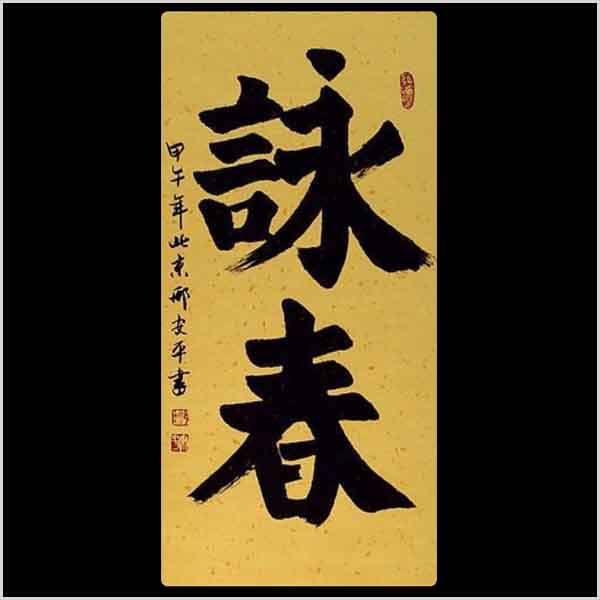
Our goal is to create the most comprehensive online Wing Chun Dictionary. In order to do this, we are considering this a collaborative, community effort to benefit Wing Chun students across the world. This is a work in progress and will be updated often.
Wing Chun Dummy
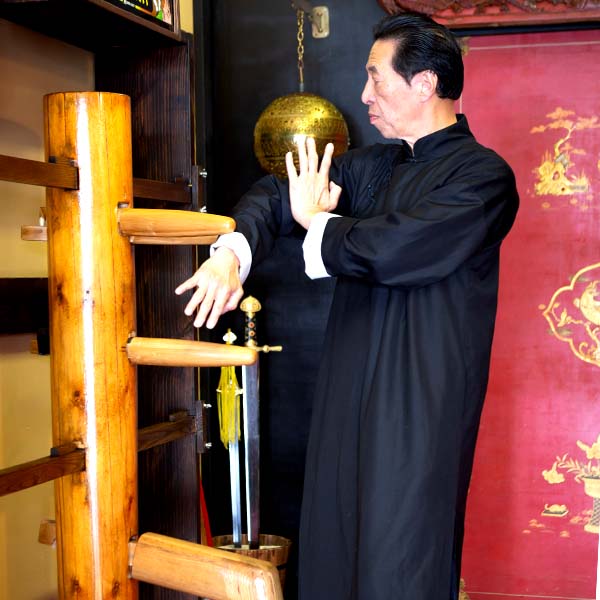
Wing Chun Dummy – Wing Chun Wooden Dummy – Mook Yan Jong – Wooden Man A brief History of the Wing Chun Dummy according to Ip Ching and Ip Chun. Written by Sifu Kim Squiers